Sign up for the Task 32 mailing list
The Task 32 Mailing ListTask 32 uses a web-based mailing list to make it easier for you to stay up to date with the world of
The Task 32 Mailing ListTask 32 uses a web-based mailing list to make it easier for you to stay up to date with the world of

Unique requirements exist for lidar systems for wind turbine control applications. Lidars must be reliable, achieve high availability, and provide useful measurements for control, all
Since 2012 the 12 countries and around 300 participants in IEA Wind Task 32 from industry and academia have been working on getting lidar into
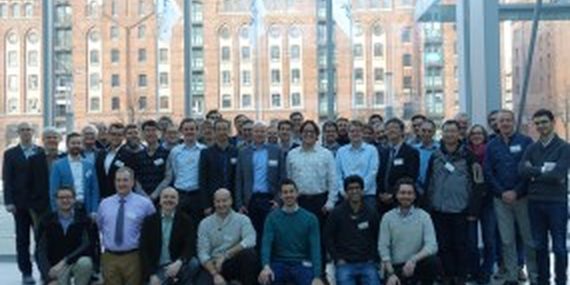
Lidar-Assisted Control (LAC) promises to reduce loads on wind turbines and increase energy capture. However, it’s not clear how to carry out a type certification
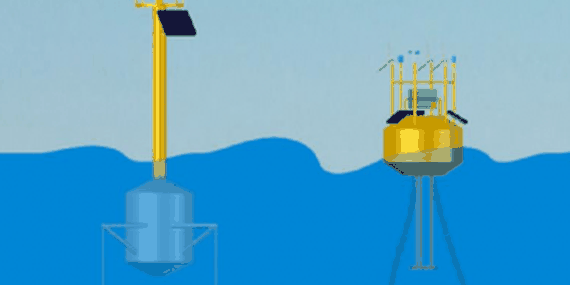
The goal of this document is to codify existing industry and academic best practices to help ensure that the best quality FLS data are made available for use in the wind energy resource assessment process.
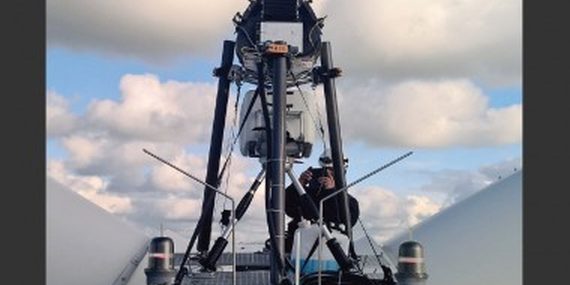
The IEA Wind TCP 2016 Annual Report highlights the activities and accomplishments of the International Energy Agency Wind Technology Collaboration Programme (IEA Wind TCP). This
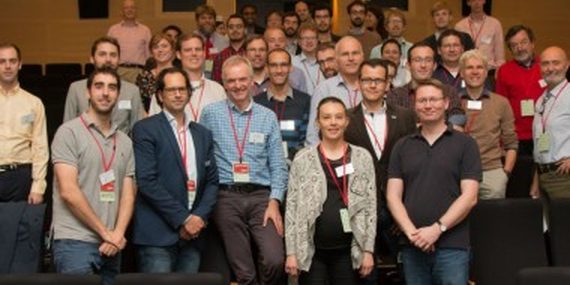
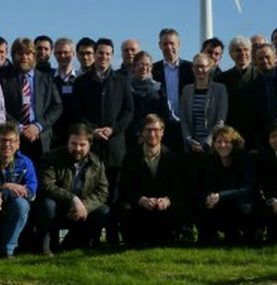
At DONG Energy, Gentofte, Denmark, 38 participants from 8 countries worked on the questions “How can nacelle lidar systems be calibrated and used for power
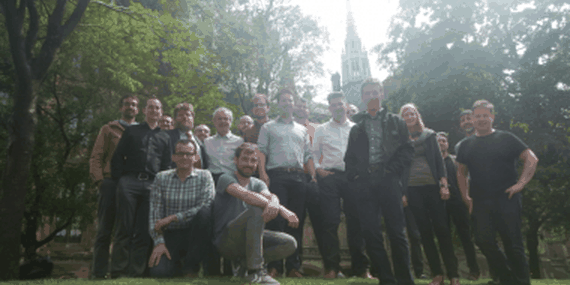
At the University of Glasgow, 24 participants from 6 countries worked on defining use cases in wake and complex flow measurements. More details.

In June 2017, the one-week long “PhD Summer School: Remote Sensing for Wind Energy” was conducted for the 10th year by DTU Wind Energy. The
Based on the aim of the IRPWind, which is to foster better integration of European research activities in the field of wind energy research with